
Author Archive

Home / Author's Article(s) / Michael Grillo

In today’s rapidly evolving business landscape, the term “artificial intelligence” (AI) is no longer a futuristic buzzword; it’s a strategic imperative. While many businesses have already begun to explore the possibilities of AI, the focus has largely been on automation – streamlining repetitive tasks, optimizing processes, and reducing operational costs. However, the true potential of AI lies far beyond simple automation. It’s about unlocking innovation, forging new business models, and empowering smarter decision-making that can future-proof your organization against an uncertain future.

This article delves into how businesses can evolve beyond basic automation and leverage AI to drive true innovation. We’ll explore practical examples, discuss the challenges involved, and provide a framework for strategically integrating AI to not just improve efficiency, but to fundamentally transform your business.

Beyond Efficiency: The Innovative Power of AI

Automation, while beneficial, is essentially about doing existing things faster and cheaper. AI, on the other hand, can help you do entirely new things and create entirely new value. Consider these examples:

  • Personalized Customer Experiences: AI can analyze vast datasets of customer behavior, preferences, and interactions to deliver highly personalized experiences. This goes beyond simple product recommendations and includes tailoring content, offers, and even the entire user journey to individual needs. For instance, a financial services company could use AI to analyze a customer’s spending habits and proactively offer customized investment advice, ultimately fostering deeper customer loyalty and driving revenue growth.
  • Predictive Maintenance and Optimization: Instead of reacting to equipment failures, AI can predict them based on sensor data and historical performance. This allows for proactive maintenance, minimizing downtime, and extending the lifespan of critical assets. Imagine a manufacturing plant using AI to analyze vibrations, temperature, and pressure data from its machinery. By identifying anomalies, the AI can trigger maintenance alerts, preventing costly breakdowns and optimizing production schedules.
  • Data-Driven Product Development: AI can analyze market trends, customer feedback, and competitor offerings to identify unmet needs and predict future demands. This allows businesses to develop innovative products and services that are perfectly aligned with market needs. A consumer goods company could use AI to analyze social media conversations and identify emerging trends in health and wellness, leading to the development of innovative new products catering to these evolving consumer preferences.
  • New Business Model Creation: AI can enable entirely new business models that were previously impossible. For example, autonomous vehicles powered by AI are disrupting the transportation industry, while AI-powered platforms are enabling decentralized marketplaces and peer-to-peer services. A logistics company could leverage AI to optimize delivery routes, predict demand fluctuations, and manage a fleet of autonomous vehicles, creating a more efficient and cost-effective transportation network.

Strategic Implementation: From Pilot Projects to Enterprise-Wide Transformation

The journey from automation to innovation with AI is not a sprint; it’s a marathon. A strategic approach is crucial for success. Here’s a framework to guide your AI implementation:

  1. Identify the Right Problems: Don’t just apply AI for the sake of it. Start by identifying key business challenges where AI can have a significant impact. Focus on areas where data is abundant and where there is a clear opportunity to improve performance, create new value, or gain a competitive advantage.
  2. Build a Data-Driven Culture: AI thrives on data. Ensure you have robust data collection, storage, and analysis capabilities. Invest in data governance and quality control to ensure the data used to train AI models is accurate and reliable. Cultivate a culture that encourages data-driven decision-making throughout the organization.
  3. Start Small and Iterate: Don’t try to boil the ocean. Begin with pilot projects in specific areas of the business to demonstrate the value of AI and build internal expertise. As you gain experience, scale up your AI initiatives and integrate them across different departments and functions.
  4. Focus on Explainable AI (XAI): While powerful, AI models can sometimes be opaque, making it difficult to understand how they arrive at their conclusions. Emphasize Explainable AI (XAI) techniques that provide insights into the decision-making process of AI models. This not only increases trust and transparency but also helps identify potential biases and improve the accuracy of the models.
  5. Embrace Collaboration: AI implementation requires collaboration between different departments and skillsets. Foster communication and knowledge sharing between data scientists, engineers, business analysts, and domain experts. Consider partnering with external AI experts and technology providers to supplement your internal capabilities.
  6. Prioritize Ethical Considerations: AI raises important ethical questions regarding bias, fairness, and privacy. Establish clear ethical guidelines and policies for the development and deployment of AI models. Ensure that AI is used responsibly and in a way that benefits all stakeholders.

Addressing the Challenges of AI Implementation

While the potential benefits of AI are significant, there are also challenges to overcome. These include:

  • Skills Gap: Finding and retaining skilled AI professionals can be difficult. Invest in training and development programs to upskill your existing workforce or partner with educational institutions to develop a pipeline of AI talent.
  • Data Availability and Quality: AI models require large amounts of high-quality data. Ensure you have the infrastructure and processes in place to collect, store, and manage data effectively. Invest in data cleansing and validation tools to ensure the data used to train AI models is accurate and reliable.
  • Integration Complexity: Integrating AI models into existing systems and workflows can be complex and time-consuming. Choose AI platforms and tools that are compatible with your existing infrastructure and that offer robust integration capabilities.
  • Resistance to Change: Implementing AI can disrupt existing workflows and roles, leading to resistance from employees. Communicate the benefits of AI clearly and transparently, and involve employees in the implementation process to address their concerns and gain their buy-in.
  • Maintaining Accuracy and Addressing Bias: AI models are only as good as the data they are trained on. Ensure that your training data is representative of the population you are trying to serve and that you are actively monitoring your AI models for bias and inaccuracies.

The Future is Intelligent

The transition from simple automation to AI-powered innovation is not just about adopting new technologies; it’s about embracing a new way of thinking. It requires a willingness to experiment, a commitment to data-driven decision-making, and a culture of continuous learning and improvement. By strategically implementing AI, businesses can unlock new levels of efficiency, create innovative products and services, and ultimately future-proof themselves against the challenges of a rapidly changing world. The opportunities are vast, and the time to act is now.

Ready to unlock the innovative power of AI for your business? Visit https://www.mymobilelyfe.com/artificial-intelligence-ai-services/ to learn more about MyMobileLyfe’s AI services and how we can help you transform your organization. Discover how our expert team can guide you through every stage, from strategic planning to implementation and ongoing support, enabling you to harness the full potential of AI and build a smarter, more innovative future.

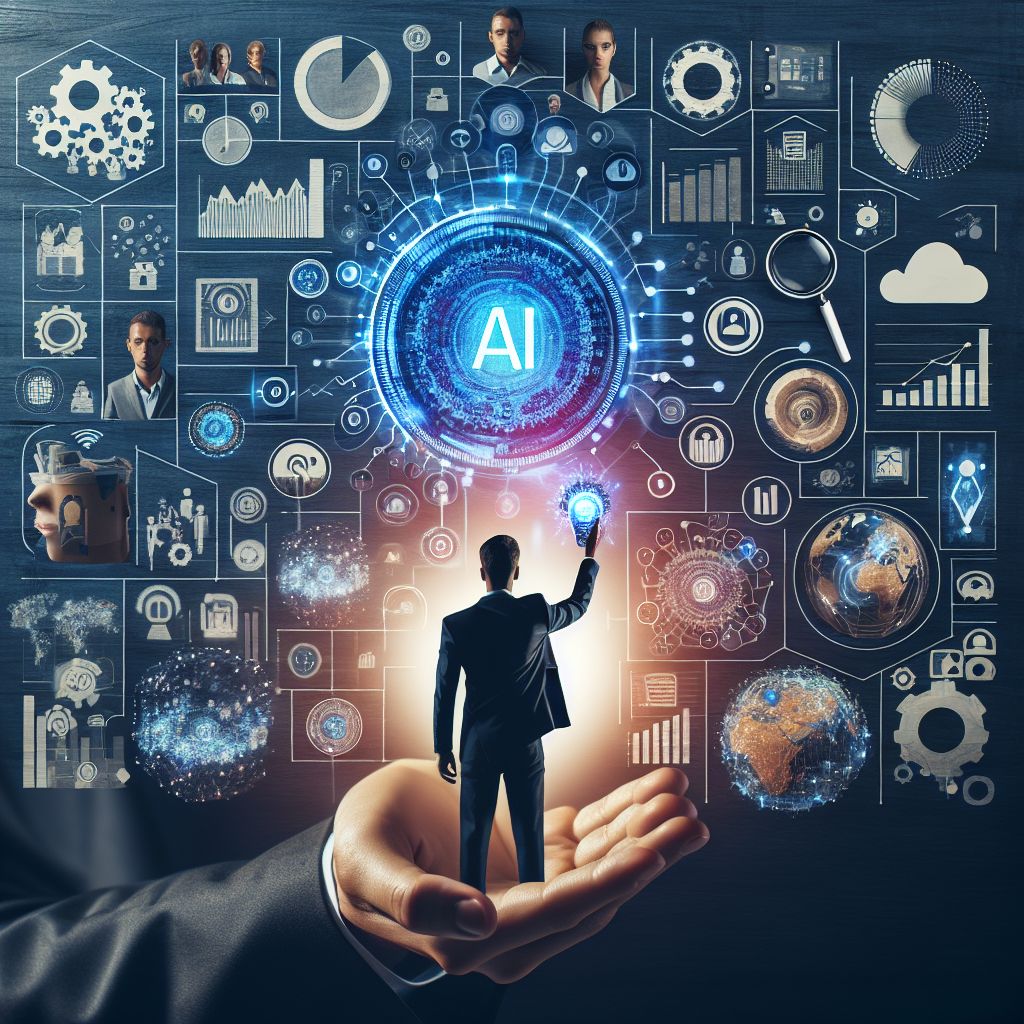
Artificial intelligence (AI) is rapidly transforming industries, promising unprecedented efficiency, innovation, and personalized experiences. From streamlining business processes to predicting customer behavior, the potential benefits are undeniable. However, as AI systems become more sophisticated and deeply integrated into our lives, concerns surrounding their ethical implications are also growing. Trust in AI hinges on its responsible development and deployment, demanding a conscious effort to build trust and transparency into every aspect of your AI strategy. This article explores the key principles and best practices for designing ethical AI systems that foster confidence and ensure long-term sustainability.

The Importance of Ethical AI: Beyond Compliance

Ethical AI is more than just a matter of adhering to legal regulations. While compliance is important, a genuinely ethical approach focuses on embedding values like fairness, accountability, and transparency into the very fabric of your AI development process. Ignoring these considerations can lead to a range of negative consequences, including:

  • Bias and Discrimination: AI systems trained on biased data can perpetuate and even amplify existing societal inequalities, leading to discriminatory outcomes in areas like hiring, lending, and even criminal justice. This can damage your brand reputation, erode customer trust, and potentially lead to legal repercussions.
  • Lack of Transparency and Explainability: “Black box” AI systems, where the decision-making process is opaque, can raise concerns about accountability and fairness. Without understanding how an AI arrived at a particular conclusion, it’s impossible to identify and correct potential biases or errors. This opacity can also hinder adoption, as users are less likely to trust systems they don’t understand.
  • Erosion of Trust: When AI systems are perceived as unfair, biased, or untrustworthy, public confidence in the technology as a whole diminishes. This can stifle innovation and slow down the adoption of AI solutions across various sectors.
  • Reputational Damage: Ethical failures in AI can quickly spread through social media and news outlets, damaging your company’s reputation and eroding customer loyalty. Building trust back can be a long and arduous process.
  • Regulatory Scrutiny: Governments worldwide are increasingly focusing on regulating AI to ensure ethical and responsible development. Failure to proactively address ethical concerns can result in stricter regulations and increased scrutiny.

Key Principles for Building Ethical AI Systems:

Building ethical AI requires a multifaceted approach, starting with a clear understanding of the core principles that should guide your strategy.

  • Fairness and Non-discrimination: AI systems should be designed and trained to avoid perpetuating or amplifying existing biases. This requires careful consideration of the data used for training, as well as ongoing monitoring and evaluation to identify and mitigate any potential biases that may arise. Implementing techniques like adversarial debiasing and fairness-aware learning can help to ensure equitable outcomes.
  • Transparency and Explainability: Whenever possible, AI systems should be designed to be transparent and explainable. This means providing insights into how the system arrives at its decisions, making it easier to understand and scrutinize the reasoning behind its recommendations. Using techniques like SHAP values and LIME can help to explain the influence of different features on the model’s output.
  • Accountability and Responsibility: Clear lines of responsibility should be established for the design, development, and deployment of AI systems. This includes identifying individuals or teams who are accountable for ensuring that the system operates ethically and responsibly. Implementing audit trails and documentation can help to track the system’s performance and identify any potential issues.
  • Privacy and Security: AI systems often rely on large amounts of data, some of which may be sensitive or personal. It’s crucial to protect user privacy by implementing robust data security measures and adhering to relevant privacy regulations such as GDPR and CCPA. Techniques like differential privacy and federated learning can help to minimize the risk of data breaches and protect user privacy.
  • Human Oversight and Control: AI systems should be designed to complement human capabilities, not replace them entirely. Humans should retain the ability to oversee and control AI systems, intervening when necessary to correct errors or address ethical concerns. This is particularly important in high-stakes applications where decisions can have a significant impact on individuals or society.
  • Beneficence and Non-maleficence: AI systems should be designed to benefit humanity and avoid causing harm. This requires a careful consideration of the potential risks and benefits of the technology, as well as ongoing monitoring and evaluation to ensure that it is being used responsibly. Ethical frameworks like the Asilomar AI Principles can provide guidance on designing AI systems that align with these principles.

Practical Steps for Implementing an Ethical AI Strategy:

Turning ethical principles into tangible action requires a structured approach. Here are some practical steps you can take to implement an ethical AI strategy within your organization:

  1. Establish an Ethics Committee or Review Board: Create a dedicated team or committee responsible for overseeing the ethical implications of your AI initiatives. This group should include representatives from diverse backgrounds and perspectives, including ethicists, legal experts, and technical specialists.
  2. Develop an Ethical AI Framework: Establish a clear set of guidelines and principles that govern the development and deployment of AI systems within your organization. This framework should address issues such as fairness, transparency, accountability, privacy, and security.
  3. Conduct Regular Ethical Impact Assessments: Before deploying any new AI system, conduct a thorough assessment of its potential ethical implications. This assessment should identify any potential risks or harms and outline mitigation strategies.
  4. Ensure Data Quality and Diversity: Strive to collect and use data that is representative of the population that will be affected by the AI system. Address any potential biases in the data and implement techniques to mitigate their impact.
  5. Promote Transparency and Explainability: Whenever possible, design AI systems to be transparent and explainable. Provide users with insights into how the system arrives at its decisions, making it easier to understand and scrutinize the reasoning behind its recommendations.
  6. Invest in AI Ethics Training: Provide comprehensive training to your employees on AI ethics, ensuring that they understand the ethical implications of their work and are equipped to make responsible decisions.
  7. Engage with Stakeholders: Engage with stakeholders, including customers, employees, and the broader community, to gather feedback on your AI initiatives and address any concerns they may have.
  8. Continuously Monitor and Evaluate: Continuously monitor the performance of your AI systems to identify any potential biases or errors. Regularly evaluate the system’s ethical implications and make adjustments as needed.
  9. Establish a Mechanism for Reporting Ethical Concerns: Create a safe and confidential channel for employees to report any ethical concerns they may have about AI systems. Ensure that reports are investigated thoroughly and addressed promptly.

Building a Culture of Ethical AI:

Ultimately, building trust and transparency in AI is not just about implementing specific technologies or processes. It’s about fostering a culture of ethical awareness and responsibility throughout your organization. This requires leadership commitment, employee engagement, and a continuous learning approach. By prioritizing ethical considerations, you can build AI systems that are not only powerful and efficient but also fair, trustworthy, and beneficial to society as a whole.

Are you ready to embrace ethical AI and build trust in your AI strategy? Learn more about how MyMobileLyfe’s AI services can help you design, develop, and deploy responsible AI solutions that align with your values and drive positive impact. Visit us at https://www.mymobilelyfe.com/artificial-intelligence-ai-services/ to discover how we can help you navigate the complex ethical landscape of AI and build a future where AI empowers everyone.

In today’s rapidly evolving digital landscape, crafting a successful marketing strategy requires more than just intuition and creativity. Business owners need data-driven insights, efficient automation, and personalized customer experiences to truly stand out and drive growth. This is where Artificial Intelligence (AI) steps in, offering a powerful toolkit to revolutionize how businesses approach marketing.

For business owners who prefer to manage their own marketing operations, understanding how to leverage AI can be a game-changer. It’s no longer just for large corporations with deep pockets; accessible and user-friendly AI tools are democratizing the field, empowering smaller businesses to compete effectively. This article will provide a practical guide on how to incorporate AI into your marketing strategy, enabling you to harness its power without becoming an AI expert.

Understanding the AI Landscape in Marketing

Before diving into strategy, it’s crucial to grasp the broad categories of AI applications in marketing. Here are a few key areas to consider:

  • Data Analysis and Insights: AI excels at sifting through massive datasets to identify patterns, trends, and customer behaviors that would be impossible for humans to detect manually. This allows you to understand your target audience on a deeper level and predict future trends.
  • Personalized Customer Experiences: AI-powered personalization engines can tailor content, offers, and interactions to individual customer preferences, leading to increased engagement and conversions.
  • Marketing Automation: AI can automate repetitive tasks such as email marketing, social media posting, and lead nurturing, freeing up your time to focus on strategic initiatives.
  • Content Creation: From generating blog post ideas to crafting compelling ad copy, AI can assist in the content creation process, saving time and resources.
  • Chatbots and Customer Service: AI-powered chatbots provide instant customer support, answer frequently asked questions, and guide customers through the sales funnel, improving customer satisfaction.

Building Your AI-Powered Marketing Strategy: A Step-by-Step Guide

Now, let’s break down the process of building an AI-driven marketing strategy that you can implement yourself:

1. Define Your Goals and Objectives:

The foundation of any successful marketing strategy, AI-powered or otherwise, is a clear understanding of your business goals. What do you want to achieve? Are you aiming to increase brand awareness, generate more leads, boost sales, or improve customer retention? Once you define your goals, translate them into measurable objectives, such as “Increase website traffic by 20% in the next quarter” or “Reduce customer churn by 10% within six months.” These objectives will serve as your benchmarks for success and guide your AI implementation.

2. Audit Your Current Marketing Efforts and Data:

Before introducing AI, it’s essential to assess your existing marketing activities and the data you have available. What marketing channels are you currently using (e.g., social media, email marketing, paid advertising)? What data are you collecting (e.g., website analytics, customer demographics, purchase history)? Identify any gaps in your data collection and think about how you can improve data quality. This audit will help you identify areas where AI can have the most significant impact.

3. Identify AI Use Cases Relevant to Your Business:

Based on your goals, objectives, and current marketing activities, identify specific AI use cases that can help you achieve your desired outcomes. For example, if you’re struggling to generate leads, you might consider using AI-powered lead scoring to identify the most promising prospects. If you want to improve customer engagement, you could explore AI-driven personalization to tailor your marketing messages to individual preferences.

Here are some common AI use cases for business owners:

  • Predictive Analytics for Sales Forecasting: Use AI to analyze historical sales data and predict future demand, allowing you to optimize inventory management and resource allocation.
  • AI-Powered SEO Optimization: Employ AI tools to analyze keyword trends, identify content gaps, and optimize your website for search engines, improving your organic visibility.
  • Personalized Email Marketing: Leverage AI to segment your email list based on customer behavior and preferences, and then send targeted emails that resonate with each segment.
  • Social Media Monitoring and Sentiment Analysis: Use AI to monitor social media conversations about your brand and identify customer sentiment, allowing you to respond to feedback promptly and address any negative issues.
  • Chatbots for Customer Support: Implement a chatbot on your website to provide instant customer support, answer frequently asked questions, and guide customers through the purchase process.

4. Select the Right AI Tools and Platforms:

The market is flooded with AI tools and platforms, so it’s crucial to choose the ones that are best suited to your needs and budget. Look for tools that are user-friendly, offer good customer support, and integrate seamlessly with your existing marketing technology stack.

Here are some factors to consider when selecting AI tools:

  • Ease of Use: Choose tools that are easy to learn and use, even if you don’t have a technical background.
  • Features and Functionality: Ensure that the tools offer the specific features and functionality you need to address your identified AI use cases.
  • Integration: Select tools that integrate seamlessly with your existing marketing platforms, such as your CRM, email marketing platform, and social media management tools.
  • Cost: Consider the cost of the tools and ensure that they fit within your budget.
  • Scalability: Choose tools that can scale with your business as you grow.

5. Implement and Test Your AI Strategies:

Once you’ve selected your AI tools, it’s time to implement your AI-powered marketing strategies. Start with small-scale pilot projects to test the effectiveness of your AI implementations and make any necessary adjustments. For example, you could start by personalizing email subject lines for a small segment of your email list and then gradually expand the personalization to the entire list.

6. Monitor, Analyze, and Optimize:

The key to successful AI implementation is continuous monitoring, analysis, and optimization. Track your key performance indicators (KPIs) to measure the impact of your AI strategies and identify areas for improvement. Use A/B testing to experiment with different AI approaches and optimize your strategies for maximum effectiveness.

Overcoming Common Challenges:

Implementing AI in your marketing strategy can present certain challenges. Here are a few common pitfalls and how to address them:

  • Lack of Data: AI relies on data to learn and improve. If you don’t have enough data or your data is of poor quality, your AI implementations will be less effective. Focus on improving your data collection and data quality.
  • Integration Issues: Integrating AI tools with your existing marketing platforms can be challenging. Choose tools that offer good integration capabilities and seek technical assistance if needed.
  • Over-Reliance on AI: AI is a powerful tool, but it’s not a replacement for human creativity and judgment. Use AI to augment your marketing efforts, not replace them.

By following these steps and addressing potential challenges, business owners can successfully integrate AI into their marketing strategies and achieve significant improvements in their marketing performance. Don’t be afraid to experiment, learn from your mistakes, and continuously adapt your strategies to stay ahead of the curve.

Are you ready to take your marketing to the next level with AI? MyMobileLyfe offers a comprehensive suite of AI services designed to empower business owners like you. From data-driven insights to personalized customer experiences, we can help you unlock the full potential of AI and achieve your marketing goals. Learn more about our AI services at https://www.mymobilelyfe.com/artificial-intelligence-ai-services/ and start transforming your marketing strategy today!

In today’s relentlessly competitive landscape, efficiency is no longer a luxury, but a necessity. Businesses are constantly seeking ways to streamline operations, reduce costs, and improve productivity. Artificial intelligence (AI) presents a powerful solution, offering the potential to automate a myriad of repetitive tasks that previously consumed valuable time and resources. However, the allure of automation should be tempered with caution. Simply throwing AI at every problem without considering the impact on customer experience and employee engagement can lead to unintended consequences, eroding the very foundations of a successful business: trust and loyalty.

This article explores how businesses can strategically implement AI-powered workflows, harnessing the power of automation while simultaneously preserving the human touch that differentiates them from the competition. We’ll delve into the benefits, challenges, and best practices for creating a harmonious blend of artificial intelligence and human intelligence, ensuring that automation enhances, rather than diminishes, the quality and personalization that customers value.

The Promise of AI-Powered Workflows: A Deeper Look

The potential benefits of automating repetitive tasks with AI are significant and wide-ranging. Consider these key advantages:

  • Increased Efficiency and Productivity: AI excels at handling tasks that are monotonous, rules-based, and require consistent execution. Automating these tasks frees up human employees to focus on more strategic, creative, and complex activities that require critical thinking, problem-solving, and emotional intelligence. Imagine a customer service team freed from answering routine inquiries, allowing them to dedicate their time to resolving complex issues and building stronger relationships with customers.
  • Reduced Costs: Automation reduces the need for manual labor, leading to significant cost savings in the long run. By minimizing errors and optimizing processes, AI-powered workflows can also reduce waste and improve resource allocation. For example, AI-driven inventory management systems can predict demand with greater accuracy, minimizing overstocking and preventing stockouts.
  • Improved Accuracy and Consistency: Unlike humans, AI systems don’t suffer from fatigue, distractions, or emotional biases. This ensures that tasks are performed with a high degree of accuracy and consistency, regardless of the volume of work or the time of day. In areas like data entry and analysis, AI can significantly reduce the risk of human error, leading to more reliable insights and better decision-making.
  • Enhanced Scalability: AI systems can easily scale to meet fluctuating demands, ensuring that businesses can maintain consistent service levels even during peak periods. This is particularly valuable for businesses that experience seasonal spikes in activity or rapid growth. For example, an AI-powered marketing automation system can handle a surge in email campaigns and social media posts without requiring additional human resources.
  • Better Customer Experience: While it might seem counterintuitive, AI can actually improve customer experience by providing faster, more personalized, and more efficient service. AI-powered chatbots can provide instant answers to common questions, freeing up human agents to handle more complex inquiries. AI-driven recommendation engines can personalize product recommendations and marketing messages, enhancing customer engagement and driving sales.

The Human Touch: Why It Still Matters

Despite the clear advantages of AI-powered workflows, it’s crucial to remember that technology alone is not a panacea. Human interaction and empathy remain essential for building trust, fostering loyalty, and delivering exceptional customer experiences. Here’s why the human touch is still indispensable:

  • Emotional Intelligence: AI can process data and identify patterns, but it lacks the emotional intelligence necessary to understand and respond to human emotions. Empathy, compassion, and understanding are crucial for building rapport with customers, resolving conflicts, and providing personalized support.
  • Creative Problem-Solving: AI can automate routine tasks, but it struggles with novel situations and complex problems that require creativity and critical thinking. Human employees are essential for adapting to changing circumstances, innovating new solutions, and making judgment calls that require nuanced understanding.
  • Building Relationships: Customers value genuine connections and personal relationships. Human interaction fosters trust and loyalty, creating a sense of community and belonging. AI can support these relationships, but it cannot replace the human element entirely.
  • Ethical Considerations: AI algorithms can be biased or produce unintended consequences. Human oversight is essential for ensuring that AI systems are used ethically and responsibly, minimizing the risk of discrimination, unfairness, or harm.

Balancing AI and the Human Touch: A Strategic Approach

The key to successfully implementing AI-powered workflows is to strike a balance between automation and human interaction. Here are some best practices to guide your strategy:

  • Identify the Right Tasks for Automation: Not all tasks are suitable for automation. Focus on automating repetitive, rules-based tasks that don’t require significant emotional intelligence or creative problem-solving. Leave the more complex, nuanced tasks to human employees.
  • Design Human-Centered Workflows: Design workflows that seamlessly integrate AI and human interaction. Use AI to handle the routine aspects of a task, but ensure that human employees are available to intervene when necessary. For example, an AI-powered chatbot can handle initial customer inquiries, but seamlessly transfer the customer to a human agent if the issue becomes too complex.
  • Empower Employees with AI Tools: Equip your employees with AI tools that enhance their productivity and effectiveness. Instead of replacing human employees, AI should empower them to perform their jobs more efficiently and effectively. For example, provide customer service agents with AI-powered knowledge bases and chatbots that can help them answer questions more quickly and accurately.
  • Train Employees on AI Skills: Ensure that your employees have the skills and knowledge necessary to work effectively with AI systems. Provide training on how to use AI tools, interpret AI-generated data, and manage AI-driven workflows.
  • Monitor and Evaluate Performance: Continuously monitor and evaluate the performance of your AI-powered workflows. Track key metrics such as efficiency, accuracy, customer satisfaction, and employee engagement. Use this data to identify areas for improvement and optimize your workflows.
  • Communicate Transparently: Be transparent with your customers and employees about how you are using AI. Explain the benefits of AI automation and address any concerns or anxieties they may have. Emphasize that AI is being used to enhance, not replace, human interaction.

By adopting a strategic and human-centered approach, businesses can harness the power of AI to automate repetitive tasks, improve efficiency, and enhance customer experiences without sacrificing the human touch. The future of work is not about replacing humans with machines, but about creating a harmonious partnership between artificial intelligence and human intelligence, leveraging the strengths of both to achieve greater success.

Ready to discover how AI can transform your workflows and drive business growth?

Learn more about MyMobileLyfe’s AI services and how we can help you automate repetitive tasks without losing the human touch at https://www.mymobilelyfe.com/artificial-intelligence-ai-services/

In today’s fast-paced digital landscape, customer support is no longer a luxury; it’s a critical differentiator. Businesses are constantly seeking innovative ways to improve efficiency, reduce costs, and enhance customer satisfaction. Artificial intelligence (AI) has emerged as a powerful tool, promising to revolutionize customer support with its ability to automate tasks, analyze data, and personalize interactions. However, the allure of AI’s potential efficiency often leads to a crucial question: Should AI replace human agents entirely? The answer, unequivocally, is no.

While AI offers numerous benefits, the optimal approach lies in a balanced partnership between humans and AI. AI should enhance, not replace, human customer support. By strategically integrating AI tools to augment human capabilities, businesses can create a customer service ecosystem that is both efficient and empathetic, ultimately leading to greater customer loyalty and business success.

The Allure of AI in Customer Support: Efficiency and Beyond

The appeal of AI in customer support is undeniable. Chatbots, powered by natural language processing (NLP), can handle a high volume of inquiries simultaneously, providing instant answers to common questions, resolving simple issues, and routing complex cases to the appropriate human agent. This 24/7 availability significantly improves response times and reduces wait times, leading to happier customers.

Furthermore, AI can analyze vast amounts of customer data to identify trends, predict customer needs, and personalize interactions. By leveraging machine learning algorithms, AI can provide agents with real-time insights into customer sentiment, purchase history, and past interactions, empowering them to deliver more informed and tailored support. This personalized approach can significantly enhance customer satisfaction and foster a sense of connection.

AI can also automate repetitive tasks, such as data entry, ticket routing, and follow-up communications, freeing up human agents to focus on more complex and nuanced issues. This increased efficiency allows agents to provide higher-quality support and contribute more meaningfully to the customer experience.

The Pitfalls of AI-Only Customer Support: Losing the Human Touch

Despite the undeniable benefits of AI, relying solely on AI-powered customer support can be detrimental. One of the most significant drawbacks is the potential loss of the human touch. While AI can provide efficient and accurate answers, it often lacks the empathy, understanding, and emotional intelligence that are crucial for building strong customer relationships.

Customers often seek support during moments of frustration, confusion, or even anger. In these situations, a human agent can offer reassurance, listen empathetically, and tailor their response to the individual’s specific needs and emotions. AI, on the other hand, can struggle to understand and respond appropriately to complex emotional cues, leading to frustrating and impersonal interactions.

Furthermore, AI is often limited in its ability to handle complex or nuanced issues that require critical thinking and problem-solving skills. While AI can follow pre-defined scripts and rules, it may struggle to adapt to unexpected situations or provide creative solutions. This can lead to unresolved issues and frustrated customers who feel like they are talking to a robot rather than a helpful human being.

Another potential pitfall of AI-only customer support is the risk of dehumanizing the customer experience. By reducing interactions to transactional exchanges, businesses can lose sight of the human element and damage customer loyalty. Customers want to feel valued and understood, and AI, in its current state, often fails to provide that level of personalized attention.

The Power of the Human-AI Partnership: A Best-Practices Approach

The key to unlocking the full potential of AI in customer support lies in a balanced partnership between humans and AI. By strategically integrating AI tools to augment human capabilities, businesses can create a customer service ecosystem that is both efficient and empathetic.

Here are some best practices for fostering a successful human-AI partnership in customer support:

  • Identify the Right Use Cases for AI: Not all customer support tasks are suitable for AI automation. Start by identifying repetitive, high-volume tasks that can be effectively handled by AI, such as answering frequently asked questions, providing basic product information, and routing tickets to the appropriate agent.
  • Focus on Augmentation, Not Replacement: Instead of aiming to replace human agents entirely, focus on using AI to enhance their capabilities. Provide agents with AI-powered tools that can assist them in tasks such as sentiment analysis, knowledge management, and personalized recommendations.
  • Ensure Seamless Handoff Between AI and Humans: When AI is unable to resolve an issue, it is crucial to provide a seamless handoff to a human agent. The agent should have access to the customer’s interaction history with the AI, so they can quickly understand the issue and provide relevant support.
  • Train Agents to Work Effectively with AI: Human agents need to be trained on how to use AI-powered tools effectively. This includes understanding the limitations of AI and knowing when to intervene and provide human support.
  • Continuously Monitor and Optimize AI Performance: Regularly monitor the performance of AI tools and identify areas for improvement. This includes analyzing customer feedback, tracking key metrics, and updating AI models with new data.
  • Prioritize Empathy and Emotional Intelligence: While AI can assist with many tasks, it is crucial to prioritize empathy and emotional intelligence in customer interactions. Human agents should be trained to listen actively, understand customer emotions, and provide personalized support that addresses their specific needs and concerns.
  • Maintain Transparency with Customers: Be transparent with customers about when they are interacting with AI and when they are interacting with a human agent. This helps to manage expectations and build trust.

The Future of Customer Support: A Symbiotic Relationship

The future of customer support is not about choosing between humans and AI; it’s about creating a symbiotic relationship where both work together to deliver exceptional customer experiences. By embracing a balanced approach, businesses can leverage the efficiency and scalability of AI while retaining the empathy, understanding, and emotional intelligence that only humans can provide.

This human-AI partnership will not only improve customer satisfaction but also empower human agents to focus on more complex and rewarding tasks, leading to increased job satisfaction and retention. As AI technology continues to evolve, the importance of this balanced approach will only become more pronounced. Businesses that prioritize human-AI collaboration will be best positioned to thrive in the ever-changing landscape of customer service.

Ultimately, the goal is to create a customer support ecosystem that is both efficient and empathetic, building stronger customer relationships and driving long-term business success. This requires a strategic investment in both AI technology and human talent, ensuring that both are working together in harmony to deliver exceptional customer experiences.

Ready to transform your customer support with the power of AI? Discover how MyMobileLyfe’s AI services can help you create a seamless and efficient customer experience that blends the best of artificial intelligence with the irreplaceable human touch. Visit us today at https://www.mymobilelyfe.com/artificial-intelligence-ai-services/ to learn more.

The talent acquisition landscape is undergoing a seismic shift, fueled by the rapid advancement and increasing accessibility of Artificial Intelligence (AI). Promises of streamlined processes, reduced costs, and more efficient matching of candidates to roles have captivated HR executives and recruiters alike. From automated resume screening and chatbots fielding initial inquiries to predictive analytics identifying top performers, AI is poised to revolutionize how organizations find, attract, and retain talent. However, this technological transformation isn’t without its pitfalls. The question looming large over the future of AI in HR is this: will it lead to smarter hiring, or simply amplify existing biases in the workforce?

For years, HR professionals have grappled with inefficiencies in traditional recruitment methods. Sifting through mountains of resumes, conducting repetitive initial screenings, and scheduling countless interviews are time-consuming tasks, often prone to human error and subjective judgments. This is where AI shines. AI-powered tools can automate these processes, freeing up recruiters to focus on more strategic activities like building relationships with candidates and developing employer branding initiatives.

The Allure of Efficiency: How AI is Transforming Talent Acquisition

One of the most impactful applications of AI in HR is in resume screening. AI algorithms can analyze thousands of applications in a fraction of the time it would take a human recruiter, identifying candidates whose skills and experience best match the job requirements. This drastically reduces the initial screening workload and helps ensure that qualified applicants are not overlooked. Furthermore, AI can be trained to identify keywords and phrases indicative of success in specific roles, further refining the selection process.

Chatbots are another popular AI application, providing instant answers to candidate questions about job openings, company culture, and benefits packages. This improves the candidate experience by providing immediate support and reduces the burden on HR staff to handle routine inquiries. By providing 24/7 availability and consistent information, chatbots can significantly enhance employer branding and attract top talent.

Beyond streamlining initial processes, AI can also be used to predict candidate success. Predictive analytics tools can analyze historical data on employee performance, identifying patterns and characteristics that correlate with high performance. This information can then be used to assess new candidates and predict their potential for success within the organization. By identifying candidates who are more likely to thrive in specific roles, AI can help reduce employee turnover and improve overall organizational performance.

Finally, AI-powered platforms are even being used to conduct video interviews, analyzing facial expressions, tone of voice, and word choices to assess a candidate’s personality and communication skills. This can provide valuable insights into a candidate’s suitability for a role beyond what can be gleaned from a traditional resume or phone screening.

The Dark Side of Algorithms: The Peril of Unintentional Bias

While the potential benefits of AI in HR are undeniable, the risk of perpetuating and even amplifying existing biases is a significant concern. AI algorithms are trained on data, and if that data reflects historical biases, the AI will inevitably learn and perpetuate those biases. This can lead to discriminatory hiring practices that disadvantage underrepresented groups.

For example, if an AI system is trained on data from a company that has historically hired predominantly male engineers, it may learn to associate certain keywords and qualifications with male candidates, leading it to automatically filter out qualified female applicants. Similarly, if the data reflects biases against certain racial or ethnic groups, the AI may inadvertently discriminate against candidates from those groups.

The insidious nature of this bias lies in its objectivity. Because the AI is making decisions based on data, it can be difficult to detect and challenge the underlying biases. This can lead to a false sense of security, with HR professionals believing they are making unbiased decisions when, in reality, the AI is perpetuating systemic inequalities.

Navigating the Ethical Minefield: Considerations for HR Leaders

So, how can HR leaders harness the power of AI in HR while mitigating the risk of bias? The answer lies in a proactive and ethical approach that prioritizes transparency, fairness, and accountability.

  • Data Auditing and Mitigation: The first step is to carefully audit the data used to train AI algorithms. Identify any potential biases and take steps to mitigate them. This may involve removing biased data, re-weighting certain features, or using techniques like adversarial training to make the AI more robust to bias.
  • Transparency and Explainability: It’s crucial to understand how AI algorithms are making decisions. Choose AI tools that provide transparency and explainability, allowing HR professionals to understand the reasoning behind the AI’s recommendations. This enables them to identify potential biases and challenge decisions that appear unfair.
  • Human Oversight: AI should not be used as a replacement for human judgment. Recruiters should always review the AI’s recommendations and make the final hiring decisions. This ensures that the AI’s biases are not inadvertently perpetuated and that candidates are assessed based on their individual merits.
  • Diverse Teams and Perspectives: Ensure that the teams developing and implementing AI tools are diverse and representative of the workforce. This will help to identify potential biases and ensure that the AI is designed and used in a fair and equitable manner.
  • Continuous Monitoring and Evaluation: AI systems should be continuously monitored and evaluated to ensure they are performing as expected and are not perpetuating bias. Regularly assess the impact of AI on diversity and inclusion metrics and make adjustments as needed.
  • Legal Compliance: Stay informed about relevant legal and regulatory requirements regarding AI and employment. Ensure that AI tools comply with all applicable laws and regulations.

The future of AI in HR and recruiting is not predetermined. It is up to HR leaders to shape its trajectory and ensure that it is used to create a more diverse, equitable, and inclusive workforce. By embracing a proactive and ethical approach, organizations can harness the power of AI to improve efficiency, reduce costs, and make smarter hiring decisions, without sacrificing fairness and equality. The key is to remember that AI is a tool, and like any tool, it can be used for good or for ill. It is our responsibility to ensure that it is used responsibly and ethically.

The potential of AI to transform HR is vast, but realizing that potential requires careful planning, ethical considerations, and a commitment to continuous improvement. As you navigate this evolving landscape, remember that the ultimate goal is to build a workforce that is diverse, talented, and reflective of the communities you serve.


Ready to unlock the power of AI for your HR and recruiting processes while staying ahead of potential pitfalls? We invite you to learn more about MyMobileLyfe’s AI services and how we can help you achieve smarter hiring practices that are both efficient and equitable. Visit us today at https://www.mymobilelyfe.com/artificial-intelligence-ai-services/ to explore our AI solutions and discover how we can partner with you to build the future of talent acquisition.

In today’s fast-paced digital world, customer expectations are higher than ever. They demand immediate solutions, personalized experiences, and seamless interactions with brands. Traditional customer service models, often burdened by long wait times and impersonal interactions, struggle to keep pace. Enter AI-powered chatbots: a game-changing technology revolutionizing how brands interact with their customers, improving satisfaction, and streamlining operations.

For customer experience managers, digital marketers, and business owners alike, understanding the power and potential of AI chatbots is no longer optional; it’s a necessity for staying competitive and building lasting customer loyalty. This article explores the ways in which AI chatbots are reshaping the customer service landscape and how businesses can leverage them to create exceptional customer experiences.

The Rise of the Always-On Customer:

The modern customer is an “always-on” customer. They expect to be able to engage with brands 24/7, across multiple channels, and receive immediate answers to their queries. This constant connectivity demands a radical shift in customer service strategies. Human agents, while crucial for complex issues, simply cannot handle the sheer volume of inquiries flooding in at all hours of the day and night. This is where AI chatbots step in, offering a scalable and cost-effective solution for meeting these demands.

What are AI Chatbots and How Do They Work?

At their core, AI chatbots are computer programs designed to simulate conversations with human users. They utilize various technologies, including:

  • Natural Language Processing (NLP): This allows chatbots to understand and interpret human language, including its nuances and complexities. NLP enables chatbots to extract meaning from text, identify intent, and respond appropriately.
  • Machine Learning (ML): This allows chatbots to learn from data and improve their performance over time. By analyzing past conversations and customer interactions, chatbots can refine their responses, personalize their interactions, and predict customer needs.
  • Deep Learning: A more advanced form of machine learning, deep learning enables chatbots to handle more complex and nuanced conversations, understand sentiment analysis, and even engage in creative problem-solving.

These technologies enable chatbots to perform a wide range of customer service tasks, from answering frequently asked questions to troubleshooting technical issues to guiding customers through the purchasing process.

The Key Benefits of AI Chatbots for Customer Service:

The benefits of implementing AI chatbots in customer service are numerous and compelling:

  • 24/7 Availability: Unlike human agents who require breaks and have limited availability, chatbots operate around the clock, ensuring that customers can always access support when they need it. This round-the-clock availability significantly improves customer satisfaction and loyalty.
  • Instant Responses: Customers hate waiting. Chatbots provide immediate responses to inquiries, eliminating frustrating wait times and allowing customers to quickly resolve their issues. This instant gratification is a key driver of positive customer experiences.
  • Reduced Costs: Chatbots can handle a large volume of inquiries simultaneously, reducing the need for a large team of human agents. This translates into significant cost savings for businesses, particularly in areas like staffing and training.
  • Personalized Experiences: AI-powered chatbots can leverage data to personalize interactions with customers. By analyzing past purchases, browsing history, and other relevant information, chatbots can tailor their responses to individual customer needs and preferences. This level of personalization fosters stronger customer relationships and drives loyalty.
  • Improved Efficiency: By automating routine tasks and handling common inquiries, chatbots free up human agents to focus on more complex and challenging issues. This improves the overall efficiency of the customer service team and allows agents to provide more personalized support to customers who need it most.
  • Lead Generation and Qualification: Chatbots can be used to proactively engage with website visitors, qualify leads, and guide them through the sales funnel. By asking relevant questions and providing helpful information, chatbots can identify potential customers and nurture them towards a purchase.
  • Data Collection and Analysis: Chatbots generate valuable data about customer interactions, which can be used to improve customer service strategies and identify areas for improvement. This data can provide insights into customer preferences, pain points, and common inquiries, allowing businesses to optimize their offerings and deliver better experiences.

Implementing AI Chatbots: Best Practices:

Successfully implementing AI chatbots requires careful planning and execution. Here are some best practices to consider:

  • Define Clear Goals and Objectives: Before implementing a chatbot, it’s crucial to define clear goals and objectives. What specific customer service challenges do you want to address? What metrics will you use to measure success?
  • Choose the Right Platform and Technology: There are numerous chatbot platforms and technologies available, each with its own strengths and weaknesses. Choose a platform that aligns with your specific needs and budget. Consider factors such as ease of use, scalability, and integration capabilities.
  • Develop a Comprehensive Knowledge Base: A chatbot is only as good as its knowledge base. Invest time and effort in developing a comprehensive knowledge base that covers a wide range of customer inquiries and issues.
  • Train Your Chatbot Effectively: Train your chatbot using a variety of data sources, including past conversations, customer feedback, and industry best practices. Continuously monitor and refine the chatbot’s performance to ensure that it’s providing accurate and helpful responses.
  • Provide Seamless Handoffs to Human Agents: While chatbots can handle many customer service tasks, they are not a replacement for human agents. Ensure that there is a seamless handoff process in place so that customers can easily connect with a human agent when they need more specialized assistance.
  • Monitor and Analyze Performance: Continuously monitor and analyze the performance of your chatbot to identify areas for improvement. Track key metrics such as customer satisfaction, resolution rates, and cost savings.

Examples of Successful AI Chatbot Implementations:

Numerous brands have successfully implemented AI chatbots to transform their customer service operations. For example:

  • Sephora: Uses a chatbot to provide personalized beauty advice, recommend products, and book appointments.
  • Domino’s: Allows customers to order pizza through a chatbot using voice commands or text messages.
  • KLM Royal Dutch Airlines: Uses a chatbot to answer customer questions about flights, baggage, and other travel-related topics.

These examples demonstrate the versatility of AI chatbots and their ability to enhance customer experiences across a wide range of industries.

The Future of AI Chatbots in Customer Service:

The future of AI chatbots in customer service is bright. As AI technology continues to evolve, chatbots will become even more sophisticated and capable of handling complex customer interactions. We can expect to see:

  • More Personalized and Proactive Interactions: Chatbots will be able to anticipate customer needs and proactively offer assistance before they even ask for it.
  • Integration with Emerging Technologies: Chatbots will be integrated with emerging technologies such as augmented reality (AR) and virtual reality (VR) to create immersive and engaging customer experiences.
  • Greater Emotional Intelligence: Chatbots will be able to understand and respond to customer emotions with greater empathy and sensitivity.

In conclusion, AI chatbots are transforming customer service by providing instant, personalized support, reducing costs, and improving efficiency. For modern brands looking to enhance customer satisfaction and stay competitive, implementing AI chatbots is no longer a luxury, but a necessity. By embracing this powerful technology, businesses can create exceptional customer experiences that drive loyalty and growth.

Ready to revolutionize your customer service with the power of AI? Learn more about how MyMobileLyfe’s AI services can help you implement and optimize AI chatbots for your business. Visit us at https://www.mymobilelyfe.com/artificial-intelligence-ai-services/ to discover how we can help you unlock the full potential of AI-powered customer service.

The digital landscape is in constant flux, demanding agility, innovation, and a relentless pursuit of engagement. In this dynamic environment, Artificial Intelligence (AI) is emerging as a transformative force, reshaping the very foundations of digital publishing and content creation. From automating mundane tasks to generating original narratives, AI is empowering content creators, media executives, and digital marketers with unprecedented capabilities. This article delves into the profound impact of AI on the digital publishing and content creation ecosystem, exploring the tools, techniques, and trends that are defining its future.

AI-Powered Content Generation: A New Era of Efficiency and Scale

One of the most significant impacts of AI is its ability to automate content generation. No longer confined to tedious, repetitive tasks, content creators can leverage AI-powered tools to generate everything from short-form social media posts to comprehensive blog articles. Natural Language Generation (NLG), a subset of AI, is the driving force behind this revolution. NLG algorithms are trained on massive datasets, enabling them to understand context, grammar, and tone to produce coherent and engaging text.

Consider the following examples:

  • News Aggregation and Summarization: AI can automatically scan news articles from various sources, identify key information, and generate concise summaries. This allows news organizations to quickly disseminate breaking news and provide readers with easily digestible content.
  • Product Descriptions: E-commerce platforms can leverage AI to generate unique and compelling product descriptions, tailored to specific target audiences. This not only saves time and resources but also improves conversion rates by optimizing the content for search engines and potential buyers.
  • Social Media Content: AI-powered tools can generate social media posts based on pre-defined themes, keywords, or target audience demographics. This allows marketers to maintain a consistent online presence and engage with their followers more effectively.
  • Script Generation and Storytelling: While still in its nascent stages, AI is making inroads into creative writing. AI algorithms can generate story outlines, character sketches, and even entire scripts, providing writers with a starting point and inspiration for their creative endeavors.

However, it’s important to acknowledge that AI-generated content is not a complete replacement for human creativity. Rather, it serves as a powerful tool to augment human capabilities, freeing up content creators to focus on higher-level tasks such as strategic planning, creative direction, and audience engagement. The key is to view AI as a collaborator, not a competitor.

Enhancing Content Quality: AI-Driven Editing and Optimization

Beyond generation, AI is also revolutionizing how content is edited and optimized for maximum impact. AI-powered editing tools can identify grammatical errors, spelling mistakes, and stylistic inconsistencies, ensuring that content is polished and professional. Furthermore, AI can analyze content for readability, tone, and sentiment, providing valuable insights for improvement.

Specific AI-driven editing and optimization applications include:

  • Grammar and Style Checking: Advanced AI-powered grammar checkers go beyond simple spellchecking, analyzing sentence structure, grammar rules, and writing style to identify areas for improvement.
  • Plagiarism Detection: AI algorithms can compare content against a vast database of online sources to detect instances of plagiarism, ensuring originality and maintaining ethical standards.
  • SEO Optimization: AI-powered SEO tools can analyze keywords, meta descriptions, and other on-page elements to optimize content for search engine ranking. This helps content creators reach a wider audience and drive more organic traffic to their websites.
  • Readability Analysis: AI can assess the readability of content based on factors such as sentence length, word complexity, and paragraph structure. This allows content creators to tailor their writing to specific target audiences and ensure that their message is easily understood.
  • Image and Video Optimization: AI can automatically optimize images and videos for different platforms and devices, ensuring that they load quickly and look their best.

By leveraging AI-powered editing and optimization tools, content creators can significantly improve the quality and effectiveness of their content, enhancing user engagement and achieving their desired outcomes.

Personalization and Content Delivery: AI Tailoring Experiences

The future of digital publishing lies in personalized content experiences. AI plays a crucial role in delivering the right content to the right audience at the right time. By analyzing user data, such as browsing history, demographics, and interests, AI algorithms can personalize content recommendations, optimize website layouts, and even tailor email marketing campaigns.

Examples of AI-powered personalization in digital publishing include:

  • Personalized News Feeds: News aggregators and social media platforms use AI to personalize news feeds based on user interests and browsing habits, ensuring that users see the content that is most relevant to them.
  • Recommended Content: E-commerce platforms and streaming services use AI to recommend products, movies, and music based on user purchase history, viewing habits, and ratings.
  • Dynamic Website Content: Websites can use AI to dynamically adjust content based on user demographics, location, and device, creating a more personalized and engaging experience.
  • Personalized Email Marketing: AI can personalize email marketing campaigns by tailoring subject lines, content, and offers to individual subscribers, increasing open rates and click-through rates.

By leveraging AI for personalization, publishers can create more engaging and relevant experiences for their audiences, leading to increased customer loyalty, improved brand reputation, and enhanced revenue streams.

Content Distribution and Analytics: AI for Maximizing Reach

AI’s influence extends beyond content creation and editing, impacting content distribution and analytics as well. AI-powered tools can analyze social media trends, identify optimal posting times, and even predict which content will perform best on different platforms. Furthermore, AI can analyze website traffic, user behavior, and conversion rates to provide valuable insights for optimizing content strategy.

Examples of AI applications in content distribution and analytics include:

  • Social Media Scheduling and Optimization: AI can analyze social media data to determine the best times to post content, the most effective hashtags to use, and the optimal length of posts.
  • Content Recommendation Engines: AI-powered recommendation engines can suggest content to users based on their browsing history, demographics, and interests, increasing engagement and driving traffic to specific pages.
  • Predictive Analytics: AI can analyze historical data to predict future content performance, allowing content creators to prioritize their efforts and focus on content that is most likely to succeed.
  • Website Traffic Analysis: AI can analyze website traffic data to identify popular content, user demographics, and traffic sources, providing valuable insights for optimizing website design and content strategy.

By leveraging AI for content distribution and analytics, content creators can maximize the reach and impact of their content, driving more traffic, generating more leads, and ultimately achieving their business goals.

The Future of Digital Publishing and Content Creation: A Collaborative Partnership

AI is not intended to replace human creativity and strategic thinking but to augment it. The future of digital publishing and content creation lies in a collaborative partnership between humans and AI. By leveraging AI for automation, optimization, and personalization, content creators can focus on higher-level tasks such as strategic planning, creative direction, and audience engagement. This collaborative approach will unlock new levels of efficiency, creativity, and impact, transforming the way content is created, distributed, and consumed.

The AI revolution is here, and it’s transforming the landscape of digital publishing and content creation in profound ways. Are you ready to embrace the change and harness the power of AI to elevate your content strategy and achieve your business goals?

Unlock the potential of AI for your content strategy. Visit https://www.mymobilelyfe.com/artificial-intelligence-ai-services/ to learn more about how MyMobileLyfe’s AI services can help you revolutionize your digital publishing and content creation efforts.

In today’s hyper-competitive business landscape, data is the new gold. Every click, every purchase, every customer interaction generates a digital footprint, creating a vast ocean of information waiting to be explored. But raw data, in its unrefined form, is often overwhelming and difficult to interpret. Imagine trying to navigate the stock market using only a ticker tape without any analysis or context. This is the challenge facing many businesses: they’re drowning in data but starving for actionable insights.

That’s where Artificial Intelligence (AI) steps in. AI isn’t just a futuristic concept; it’s a powerful tool transforming how businesses operate, analyze information, and ultimately, make smarter decisions. For data analysts, business strategists, and operations managers, understanding and leveraging AI-driven analytics is no longer a luxury but a necessity for staying ahead of the curve.

The Data Deluge: A Challenge and an Opportunity

Before delving into the specifics of how AI can help, let’s acknowledge the scale of the challenge. Businesses today collect data from numerous sources:

  • Customer Relationship Management (CRM) systems: Capture customer interactions, sales data, and support requests.
  • Enterprise Resource Planning (ERP) systems: Manage inventory, financials, and supply chain operations.
  • Website analytics: Track user behavior, traffic sources, and conversion rates.
  • Social media platforms: Provide insights into customer sentiment, brand perception, and trending topics.
  • Internet of Things (IoT) devices: Generate real-time data from physical assets, such as sensors in manufacturing plants or tracking devices in logistics.

Analyzing this diverse data stream using traditional methods can be time-consuming, resource-intensive, and prone to human error. Spreadsheets, manual reporting, and rule-based systems simply can’t keep up with the volume and velocity of modern data. Moreover, they often fail to uncover hidden patterns and complex relationships that are critical for informed decision-making.

This is where AI’s ability to automate complex analytical processes and identify subtle patterns in large datasets becomes invaluable.

Unlocking Insights with AI-Driven Analytics

AI-driven analytics empowers businesses to extract meaningful insights from their data in ways that were previously impossible. Here are some key areas where AI can make a significant impact:

1. Predictive Analytics: AI algorithms, particularly machine learning models, can analyze historical data to predict future outcomes. This allows businesses to:

  • Forecast demand: Accurately predict sales volume, inventory needs, and staffing requirements.
  • Identify potential risks: Predict equipment failures, detect fraudulent activities, and assess creditworthiness.
  • Personalize customer experiences: Anticipate customer needs and preferences to offer targeted recommendations and promotions.

For example, a retail company can use AI to analyze past sales data, seasonal trends, and economic indicators to forecast demand for specific products in different regions. This enables them to optimize inventory levels, reduce stockouts, and improve customer satisfaction.

2. Descriptive Analytics: AI can automatically generate comprehensive reports and dashboards that summarize key trends and performance metrics. This allows businesses to:

  • Gain a holistic view of their operations: Track key performance indicators (KPIs) across different departments and functions.
  • Identify areas for improvement: Pinpoint bottlenecks, inefficiencies, and opportunities for cost reduction.
  • Monitor performance in real-time: Track progress towards goals and identify potential deviations from plan.

Imagine an operations manager using an AI-powered dashboard to monitor the performance of a manufacturing plant in real-time. The dashboard highlights areas where production is lagging behind schedule, identifies the root causes of the delays, and suggests potential solutions.

3. Prescriptive Analytics: Building upon predictive and descriptive analytics, prescriptive analytics uses AI to recommend optimal actions based on the data. This allows businesses to:

  • Optimize pricing strategies: Determine the optimal price points for different products based on market demand and competitive pricing.
  • Improve resource allocation: Allocate resources more efficiently across different projects and departments.
  • Automate decision-making: Develop AI-powered systems that can automatically make decisions based on pre-defined rules and objectives.

A logistics company can use AI to optimize delivery routes based on real-time traffic conditions, weather forecasts, and customer preferences. This reduces transportation costs, improves delivery times, and enhances customer satisfaction.

4. Sentiment Analysis: AI algorithms can analyze text data from sources like social media, customer reviews, and surveys to understand customer sentiment and identify potential brand risks. This allows businesses to:

  • Monitor brand reputation: Track how customers are talking about their brand online and identify potential PR crises.
  • Improve customer service: Identify customers who are dissatisfied with their products or services and take proactive steps to resolve their issues.
  • Gain insights into customer preferences: Understand what customers like and dislike about their products or services and use this information to improve product development and marketing efforts.

5. Anomaly Detection: AI can identify unusual patterns and anomalies in data that might indicate fraud, security breaches, or other problems. This allows businesses to:

  • Prevent fraud: Detect fraudulent transactions and prevent financial losses.
  • Enhance security: Identify and respond to security threats in real-time.
  • Improve quality control: Detect defects in products or processes early in the production cycle.

Beyond the Hype: Practical Considerations for Implementing AI

While the potential benefits of AI are significant, successful implementation requires careful planning and execution. Here are some practical considerations:

  • Data Quality: AI algorithms are only as good as the data they are trained on. Ensure that your data is accurate, complete, and consistent. Invest in data cleansing and data governance processes.
  • Talent and Expertise: Implementing and managing AI-driven analytics requires specialized skills and expertise. You may need to hire data scientists, machine learning engineers, and AI specialists.
  • Ethical Considerations: AI algorithms can be biased if they are trained on biased data. Be aware of the potential for bias and take steps to mitigate it. Ensure that your AI systems are transparent, accountable, and ethical.
  • Integration with Existing Systems: AI-driven analytics needs to be integrated with your existing business systems and workflows. This requires careful planning and coordination.
  • Start Small and Scale Gradually: Don’t try to implement AI across your entire organization at once. Start with a small pilot project and scale gradually as you gain experience and confidence.

The Future is Intelligent

AI is rapidly transforming the business landscape, and those who embrace it will be best positioned to thrive in the future. By leveraging AI-driven analytics, businesses can unlock valuable insights from their data, make smarter decisions, and gain a competitive advantage. Data analysts, business strategists, and operations managers who understand the power of AI will be in high demand.

The journey towards becoming an AI-powered organization can seem daunting, but it’s a journey worth taking. By investing in the right technologies, talent, and processes, you can unlock the full potential of your data and transform your business.

Are you ready to harness the power of AI and make your business smarter? MyMobileLyfe offers cutting-edge AI services designed to help you extract maximum value from your data. Visit our website to learn more about our AI solutions and how we can help you transform your business: https://www.mymobilelyfe.com/artificial-intelligence-ai-services/

Artificial Intelligence (AI) is no longer a futuristic fantasy confined to science fiction films. It’s a powerful, increasingly accessible tool transforming industries across the globe. While headlines often focus on large corporations leveraging AI for groundbreaking innovations, the real opportunity lies in how small and medium-sized businesses (SMBs) can harness its potential to level the playing field and drive significant growth. However, the term “AI” can be intimidating, conjuring images of complex algorithms and exorbitant investments. Many SMB owners, strapped for time and resources, hesitate to dive in, unsure where to begin or what to expect.

This article aims to demystify AI adoption for SMBs, providing a practical, step-by-step guide to integrating AI solutions in a way that’s manageable, affordable, and delivers tangible results. We’ll explore common pain points that AI can address, identify starting points tailored for smaller businesses, and discuss the expected outcomes and challenges that lie ahead.

Understanding the SMB Hesitation

The apprehension surrounding AI adoption in SMBs is understandable. Common concerns include:

  • Cost: Implementing and maintaining sophisticated AI systems can seem financially prohibitive, especially for businesses operating on tight budgets.
  • Complexity: The perceived complexity of AI technologies can be overwhelming. Understanding algorithms, machine learning, and data science requires specialized expertise that many SMBs lack.
  • Lack of Expertise: Finding and hiring qualified AI professionals is a challenge, particularly in a competitive market where larger corporations are vying for the same talent.
  • Data Infrastructure: AI thrives on data. Many SMBs struggle with data quality, organization, and accessibility, making it difficult to implement effective AI solutions.
  • Unclear ROI: Without a clear understanding of the potential return on investment, SMB owners are reluctant to invest in unproven technologies.

These concerns are valid, but they shouldn’t be insurmountable obstacles. By approaching AI adoption strategically and focusing on practical applications, SMBs can overcome these challenges and unlock significant benefits.

Identifying Pain Points: Where Can AI Help Your Business?

The first step in adopting AI is identifying the specific challenges your business faces. Instead of thinking about AI as a singular, all-encompassing solution, consider it as a toolkit filled with specialized tools that can address specific pain points. Here are some common areas where AI can provide valuable assistance for SMBs:

  • Customer Service: AI-powered chatbots can handle routine inquiries, provide 24/7 support, and free up human agents to focus on more complex issues.
  • Marketing: AI can personalize marketing campaigns, analyze customer data to identify target audiences, and automate marketing tasks such as email marketing and social media management.
  • Sales: AI can predict customer behavior, identify high-potential leads, and provide sales teams with insights to improve conversion rates.
  • Operations: AI can optimize inventory management, streamline logistics, and improve supply chain efficiency.
  • Finance: AI can automate accounting tasks, detect fraudulent transactions, and provide insights into financial performance.

By identifying the specific areas where your business could benefit from automation, improved efficiency, or better insights, you can narrow your focus and choose AI solutions that address your most pressing needs.

Practical Starting Points: AI for Every SMB

Once you’ve identified your pain points, you can begin exploring specific AI solutions. Here are some practical starting points for SMBs looking to integrate AI:

  • Chatbots: Implementing a chatbot on your website or social media channels is a relatively simple and affordable way to improve customer service and generate leads. Many user-friendly chatbot platforms offer drag-and-drop interfaces and pre-built templates, making it easy to get started.
  • CRM with AI Features: Many Customer Relationship Management (CRM) systems now incorporate AI features, such as lead scoring, sales forecasting, and automated task management. Leveraging these features can significantly improve sales efficiency and customer relationship management.
  • Marketing Automation Platforms: Platforms like HubSpot, Mailchimp, and ActiveCampaign offer AI-powered features for email marketing, social media management, and website personalization. These tools can help you automate marketing tasks, improve campaign performance, and personalize the customer experience.
  • Analytics Tools: Tools like Google Analytics and Mixpanel provide valuable insights into website traffic, user behavior, and marketing campaign performance. By leveraging these tools, you can make data-driven decisions to optimize your online presence and marketing efforts.
  • AI-Powered Accounting Software: Software like Xero and QuickBooks offer AI-powered features for automating accounting tasks, such as invoice processing, bank reconciliation, and expense tracking. This can save time and reduce errors, freeing up your finance team to focus on more strategic initiatives.

When choosing AI solutions, prioritize ease of use, integration capabilities, and affordability. Start with a pilot project to test the waters and assess the potential impact before making a significant investment.

What to Expect: The AI Adoption Journey

Adopting AI is not a one-time event but an ongoing journey. Here’s what you can expect along the way:

  • Initial Learning Curve: There will be an initial learning curve as you and your team familiarize yourselves with the new tools and technologies. Provide adequate training and support to ensure everyone is comfortable using the AI solutions.
  • Data Preparation: AI models require high-quality data to function effectively. Be prepared to invest time and effort in cleaning, organizing, and structuring your data.
  • Iterative Improvement: AI is not a “set it and forget it” solution. It requires ongoing monitoring, evaluation, and refinement. Continuously analyze the performance of your AI solutions and make adjustments as needed to optimize results.
  • Collaboration Between Humans and AI: AI is not intended to replace human employees but to augment their capabilities. Encourage collaboration between humans and AI to leverage the strengths of both.
  • Realistic Expectations: Don’t expect overnight miracles. AI takes time to implement and optimize. Set realistic expectations and track your progress over time to measure the impact of your AI initiatives.

Addressing Common Challenges

While the benefits of AI are undeniable, SMBs often face specific challenges during the adoption process:

  • Data Security and Privacy: Ensure that your AI solutions comply with data privacy regulations and protect sensitive customer information.
  • Ethical Considerations: Be mindful of the ethical implications of using AI, such as bias in algorithms and potential job displacement.
  • Integration with Existing Systems: Choose AI solutions that integrate seamlessly with your existing systems to avoid compatibility issues and data silos.
  • Measuring ROI: Track the key performance indicators (KPIs) that are most relevant to your business goals and measure the impact of your AI initiatives on these metrics.

By anticipating these challenges and addressing them proactively, you can minimize the risks and maximize the benefits of AI adoption.

The Future is AI-Powered: Embrace the Opportunity

AI is transforming the business landscape, and SMBs that embrace this technology will be well-positioned to compete and thrive in the years to come. By starting small, focusing on practical applications, and taking a data-driven approach, you can unlock the power of AI and drive significant growth for your business. The key is to approach AI adoption strategically, focusing on your specific needs and pain points, and leveraging the right tools and expertise to achieve your goals.

Ready to embark on your AI journey? Discover how AI can revolutionize your business processes and unlock new opportunities for growth. Visit us at https://www.mymobilelyfe.com/artificial-intelligence-ai-services/ to learn more about MyMobileLyfe’s AI services and how we can help you integrate AI into your business for maximum impact. Let us help you navigate the complex world of AI and empower your SMB for a brighter, more efficient future.