
The journey from automation to innovation with AI is not a sprint; it’s a marathon. A strategic approach is crucial for success.

The journey from automation to innovation with AI is not a sprint; it’s a marathon. A strategic approach is crucial for success.

Building trust and transparency in AI is not just about implementing specific technologies or processes. It’s about fostering a culture of ethical awareness and responsibility throughout your organization.
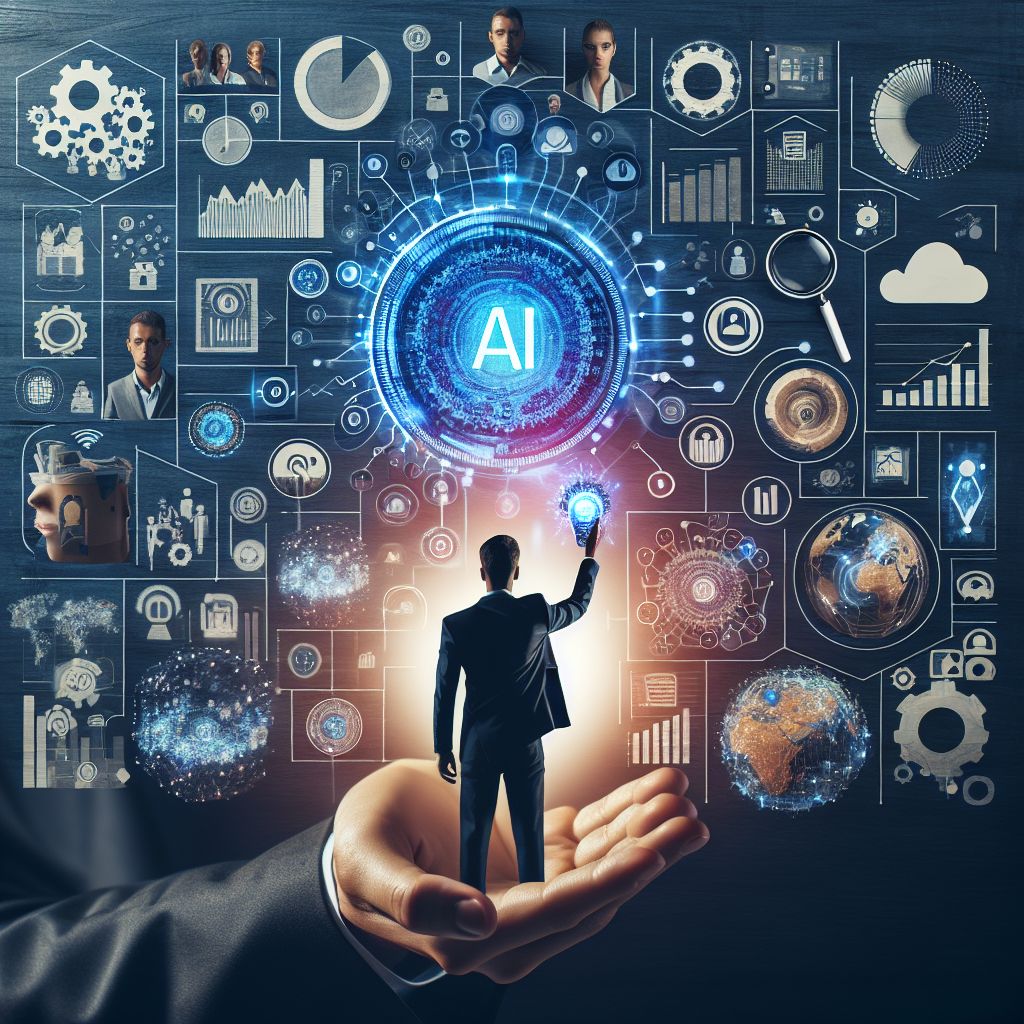
In today’s rapidly evolving digital landscape, crafting a successful marketing strategy requires more than just intuition and creativity. Business owners need data-driven insights, efficient automation, and personalized customer experiences to truly stand out and drive growth. This is where Artificial Intelligence (AI) steps in, offering a powerful toolkit to revolutionize how businesses approach marketing.

In today’s relentlessly competitive landscape, efficiency is no longer a luxury, but a necessity. Businesses are constantly seeking ways to streamline operations, reduce costs, and improve productivity. Artificial intelligence (AI) presents a powerful solution, offering the potential to automate a myriad of repetitive tasks that previously consumed valuable time and resources. However, the allure of automation should be tempered with caution. Simply throwing AI at every problem without considering the impact on customer experience and employee engagement can lead to unintended consequences, eroding the very foundations of a successful business: trust and loyalty.

In today’s fast-paced digital landscape, customer support is no longer a luxury; it’s a critical differentiator. Businesses are constantly seeking innovative ways to improve efficiency, reduce costs, and enhance customer satisfaction. Artificial intelligence (AI) has emerged as a powerful tool, promising to revolutionize customer support with its ability to automate tasks, analyze data, and personalize interactions. However, the allure of AI’s potential efficiency often leads to a crucial question: Should AI replace human agents entirely? The answer, unequivocally, is no.

The talent acquisition landscape is undergoing a seismic shift, fueled by the rapid advancement and increasing accessibility of Artificial Intelligence (AI). Promises of streamlined processes, reduced costs, and more efficient matching of candidates to roles have captivated HR executives and recruiters alike. From automated resume screening and chatbots fielding initial inquiries to predictive analytics identifying top performers, AI is poised to revolutionize how organizations find, attract, and retain talent. However, this technological transformation isn’t without its pitfalls. The question looming large over the future of AI in HR is this: will it lead to smarter hiring, or simply amplify existing biases in the workforce?
In today’s fast-paced digital world, customer expectations are higher than ever. They demand immediate solutions, personalized experiences, and seamless interactions with brands. Traditional customer service models, often burdened by long wait times and impersonal interactions, struggle to keep pace. Enter AI-powered chatbots: a game-changing technology revolutionizing how brands interact with their customers, improving satisfaction, and streamlining operations.

The digital landscape is in constant flux, demanding agility, innovation, and a relentless pursuit of engagement. In this dynamic environment, Artificial Intelligence (AI) is emerging as a transformative force, reshaping the very foundations of digital publishing and content creation. From automating mundane tasks to generating original narratives, AI is empowering content creators, media executives, and digital marketers with unprecedented capabilities. This article delves into the profound impact of AI on the digital publishing and content creation ecosystem, exploring the tools, techniques, and trends that are defining its future.

In today’s hyper-competitive business landscape, data is the new gold. Every click, every purchase, every customer interaction generates a digital footprint, creating a vast ocean of information waiting to be explored. But raw data, in its unrefined form, is often overwhelming and difficult to interpret. Imagine trying to navigate the stock market using only a ticker tape without any analysis or context. This is the challenge facing many businesses: they’re drowning in data but starving for actionable insights.
Artificial Intelligence (AI) is no longer a futuristic fantasy confined to science fiction films. It’s a powerful, increasingly accessible tool transforming industries across the globe. While headlines often focus on large corporations leveraging AI for groundbreaking innovations, the real opportunity lies in how small and medium-sized businesses (SMBs) can harness its potential to level the playing field and drive significant growth. However, the term “AI” can be intimidating, conjuring images of complex algorithms and exorbitant investments. Many SMB owners, strapped for time and resources, hesitate to dive in, unsure where to begin or what to expect.



Recent Comments