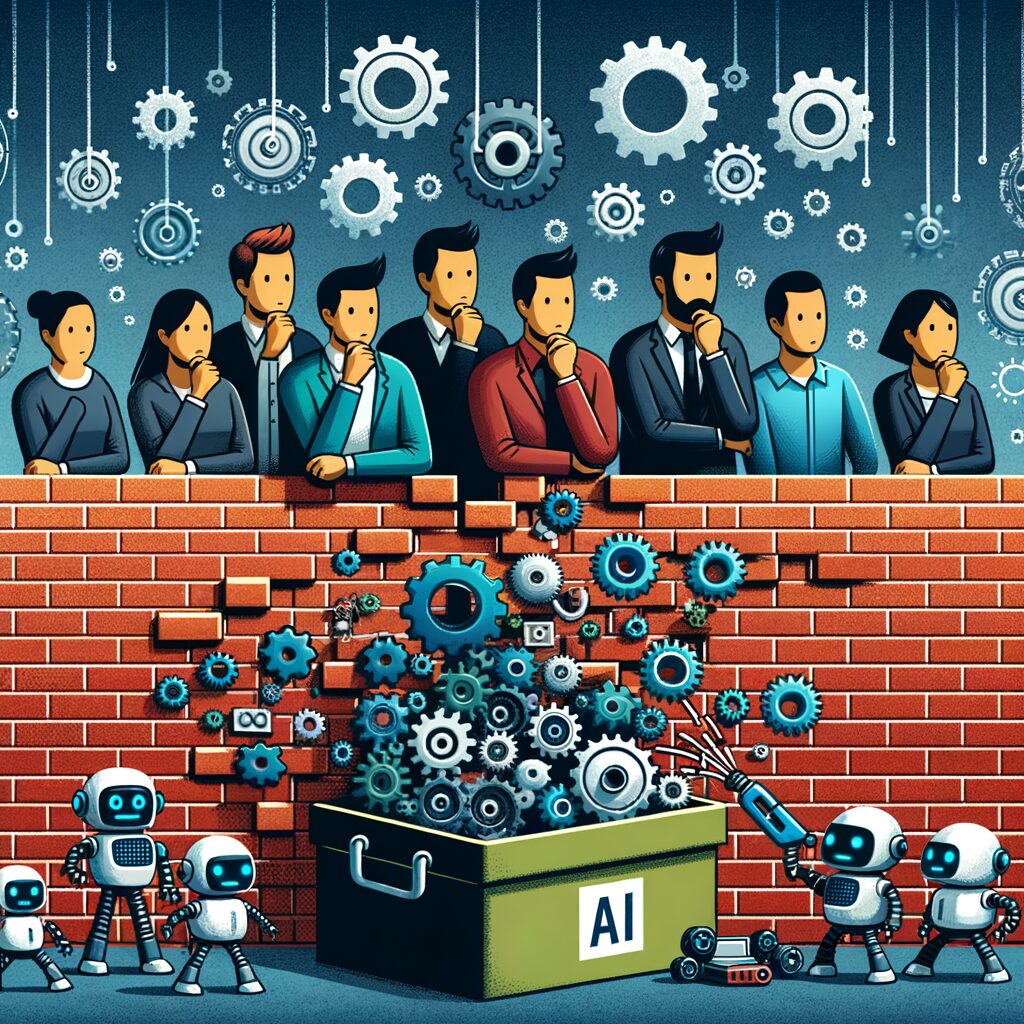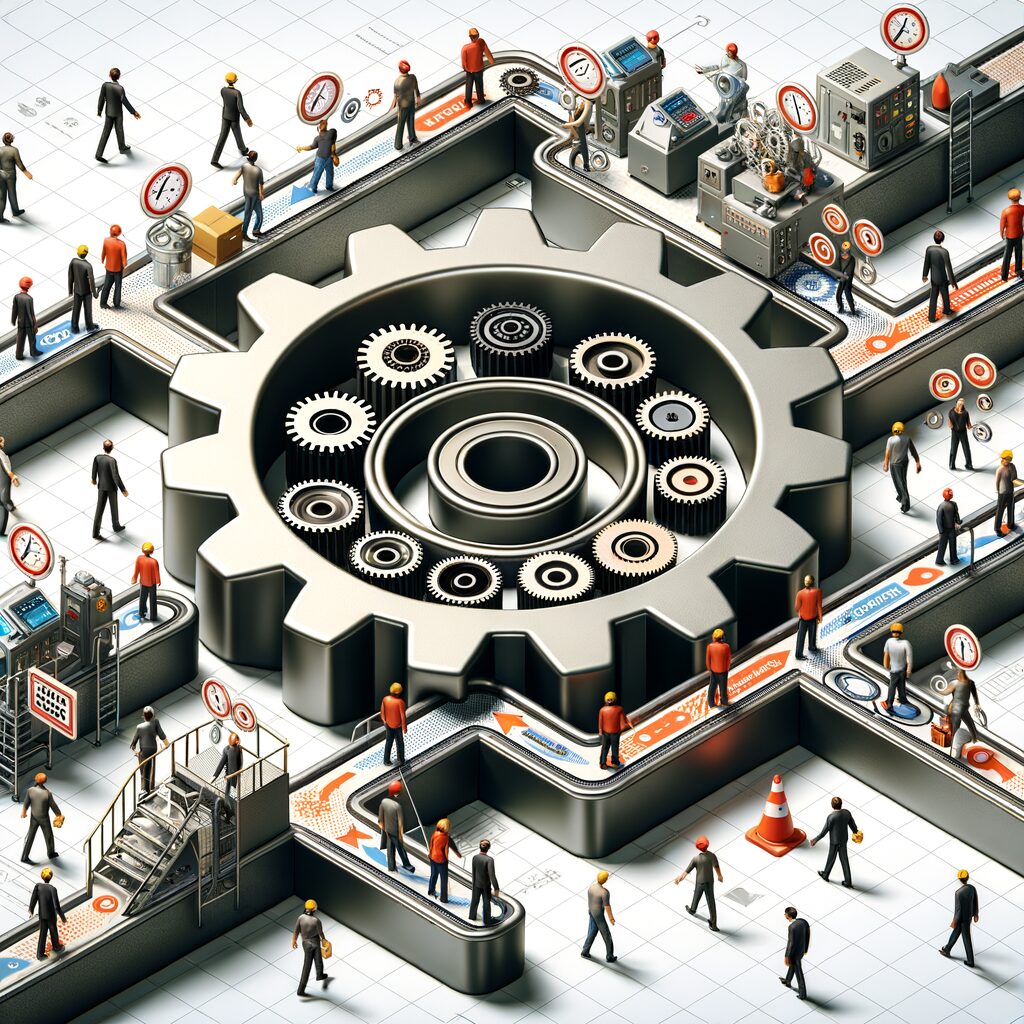

Process mining, combined with lightweight AI, gives you a microscope and a map. Instead of arguing from anecdotes or gut feelings, you use the digital footprints your systems already leave to see how work actually flows, where it stalls, and which steps are ripe for automation.
MyMobileLyfe Blog
Here is a practical, tool-agnostic playbook that walks you from objectives to iteration, with governance guardrails and a compact week-long workflow your small team can implement.
Here are concrete patterns and practical steps for offloading repetitive QA work while preserving developer autonomy, code quality, and safety.
Low-code and no-code AI platforms let non-technical teams—HR, sales, customer success, operations—design, test, and deploy automations that actually solve daily pain without waiting months for engineering.
This is a hands-on blueprint to move from spark to validated minimum viable product (MVP) fast, using AI and automation where they actually remove toil—not add more.
Designing Human-in-the-Loop Automation: Where to Place People for Safer, Faster AI-Driven Workflows 0
This article gives a practical framework for deciding exactly where to place humans so workflows remain fast, safe, and continuously improving.
By combining machine learning models, rules engines, and a robust orchestration layer (RPA or workflow platforms), you can automate decision-heavy flows end-to-end — surfacing the right exceptions, predicting the best next action, routing work to the optimal owner, and engaging humans only when required.
This is a pragmatic, non-technical guide to move your quality checks from human guesswork to repeatable AI-powered visual inspection.
With practical AI, lightweight automation, and a sane approach to data, you can spot overload early and shift work away from struggling humans to available teammates—or to automation—before the damage is done.
Done well, feedback automation gives teams early warning of product regressions, shrinks time between detection and resolution, reduces duplicate work in support, and surfaces the highest-impact fixes so product roadmaps reflect real customer needs. You get less noise and more prioritized action.


Recent Comments